

Fascia Restoration · St. Louis Park, MN
Foot or Hand Fascia Release
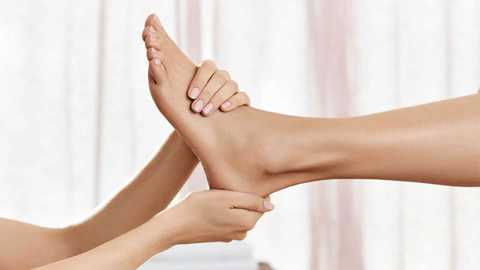
Foot or hand fascia release is a therapeutic technique designed to relieve tension and tightness in the fascia, the connective tissue surrounding muscles. By applying gentle pressure and stretching, this treatment helps improve flexibility, reduce pain, and promote relaxation in the hands and feet. It’s ideal for those with muscle stiffness or repetitive strain injuries.
Price$65
Duration15 mins
Benefits of Foot or Hand Fascia Release
$$MultiPurposeText$$
Discover the many advantages of choosing Foot or Hand Fascia Release at Shine BE Happy - Hair, Nails & Skincare
Foot or Hand Fascia Release Gallery
$$MultiPurposeText$$
See examples of our Foot or Hand Fascia Release work and results.
Meet the team
$$MultiPurposeText$$
Kelly Thompson
What Our Clients Say
$$MultiPurposeText$$
Read testimonials from our satisfied customers

Omgoodness I really felt pampered the time she took too help me be convertible was amazin...more

I never had this type of massage before, Kelly explained in detail how the bodies fascial...more

Frequently Asked Questions
Get answers to common questions about Foot or Hand Fascia Release.
This service involves gentle pressure and stretching of the fascia in your hands and feet to relieve tension.
Typically, a session lasts between 30 to 60 minutes, depending on your specific needs and conditions.
Most clients experience mild discomfort at times, but the treatment should not be painful. It’s designed to promote relaxation.
For best results, consider scheduling treatments weekly or bi-weekly, especially if you have chronic tension or pain.
It’s ideal for anyone experiencing muscle stiffness, repetitive strain injuries, or those seeking relaxation and flexibility.
Absolutely! Many clients enjoy combining fascia release with manicures or pedicures for a comprehensive pampering experience.
Ready To Book Foot or Hand Fascia Release?
$$MultiPurposeText$$
Schedule your foot or hand fascia release appointment today and experience the difference.
Read more about Foot or Hand Fascia Release
$$MultiPurposeText$$
Explore our latest insights and guides on Foot or Hand Fascia Release.
Foot or Hand Fascia Release
Foot or Hand Fascia Release vs Physical Therapy: When to Choose
Published On: August 6, 2026
Foot or Hand Fascia Release
Foot or Hand Fascia Release: How Long Relief Lasts & How to Extend It
Published On: August 3, 2026
Foot or Hand Fascia Release
Foot or Hand Fascia Release

Foot or Hand Fascia Release

Nervous About Foot or Hand Fascia Release? Here’s What to Expect
Published On: July 9, 2026
Foot or Hand Fascia Release

How Foot or Hand Fascia Release Eases Pain and Restores Mobility
Published On: July 20, 2026